Symbols,

Repetition &

Space

A visual practice of pattern, meaning and attention
Scroll Down
Symbolic mural using sacred geometry for emotional healing
Large-scale frequency art designed to regulate the nervous system
Frequency-inspired wall art for nervous system harmon
(01)

Repetition changes the way an image is read. A field of dots, a repeated line or a symbol returned to again and again can slow the eye and give it somewhere to rest. I use the phrase frequency design as studio shorthand for that felt rhythm. It’s an artistic framework, not a medical claim.

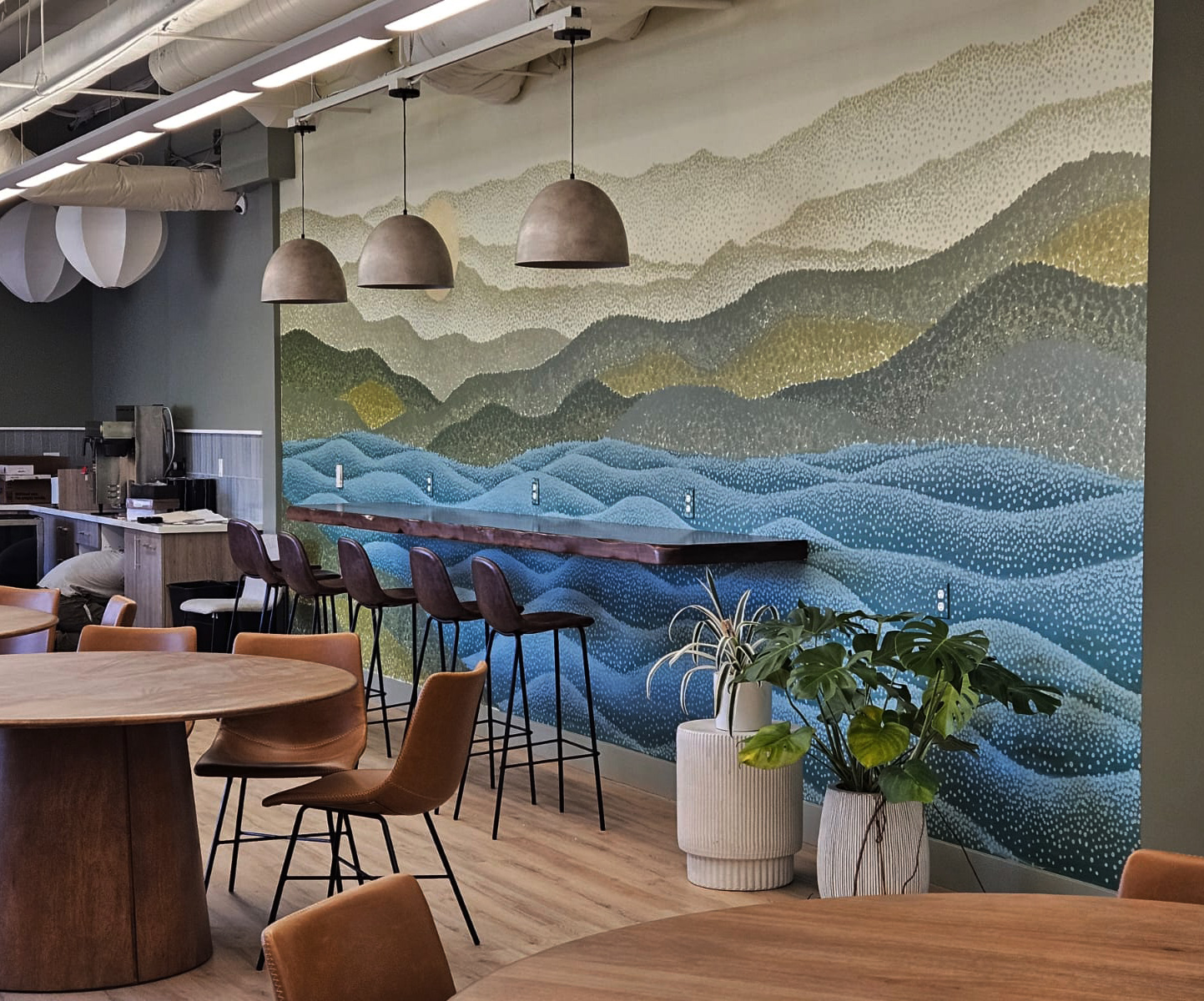
Three connected site-specific mural walls inside Club Evexia in Marin, California
Completed mural blending natural landscapes with layered symbolism, commissioned for a wellness space
(02)

Studio language

What I Mean by Frequency Design

Frequency design is the name I give to the use of rhythm, proportion, colour and symbolic form to shape how an image or room is experienced. The work draws from pointillism, geometry, natural pattern and the long human habit of giving meaning to symbols.

Every line and dot carries visual weight. Arranged carefully, they can invite attention, reflection and a different pace of looking.

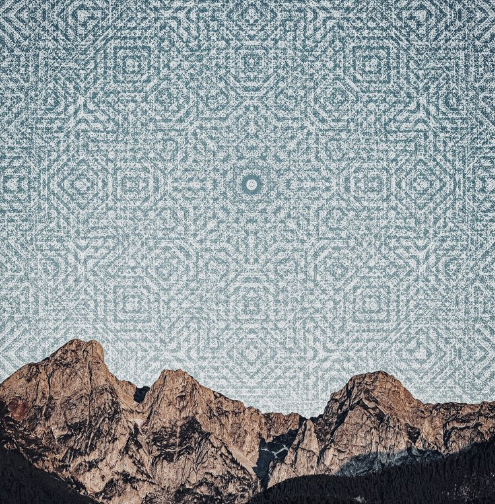
Soothing frequency artwork created for breathwork and meditation sessions

Archetypes

(03)

Art

001
002

As a

mirror

003
framed artwork by mike pinette - jaguar sun mandala

Archetypes are recurring figures and patterns that appear across myth, dream and culture. I return to the seeker, the guardian, the threshold and other familiar forms because they give a viewer something recognisable to meet without fixing a single interpretation.

Why this matters: A symbol can hold more than one reading. The work leaves room for the viewer’s history, beliefs and imagination to complete it.

(04)

experience

How Symbolic Visuals Meet a Space

Rhythm

Repeated marks can slow the eye and give attention somewhere to settle.

Recognition

Familiar forms can open memory and association without prescribing what they mean.

Anchor the nervous system

Atmosphere

Scale, contrast and placement help shape how a room feels when you enter it.

creating ritual

Ritual

A piece can become a quiet point of return, something noticed again on an ordinary day.

The Process

(05)

Behind the Work


The process begins with the place, its light, its use and the people who will live with the work. From there, the drawing develops through:

· Conversation, site photographs and measurements

· Symbol research and narrative sketches

· Hand-drawn studies using dots, lines and geometry

· Client review before the final artwork or mural is made

Whether the final surface is a wall, paper or screen, the aim is the same: make something that belongs there.

see selected work
Archetypal illustration exploring transformation through visual metaphor
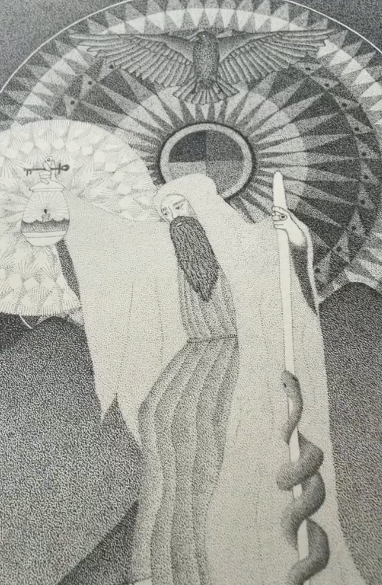
Modern reinterpretation of The high priestess from the Major Arcana in archetypal form
pointilism of symbolic geometric design inspired by biogeometry and ancestral archetypes
(06)

Applications

Where This Work Can Live


Wellness and hospitality spaces: studios, treatment rooms, hotels and restaurants

Workplaces: offices, creative studios and shared spaces

Homes: living spaces, meditation rooms and personal commissions

Retail and public-facing spaces: places that want an image with a story and a strong sense of place

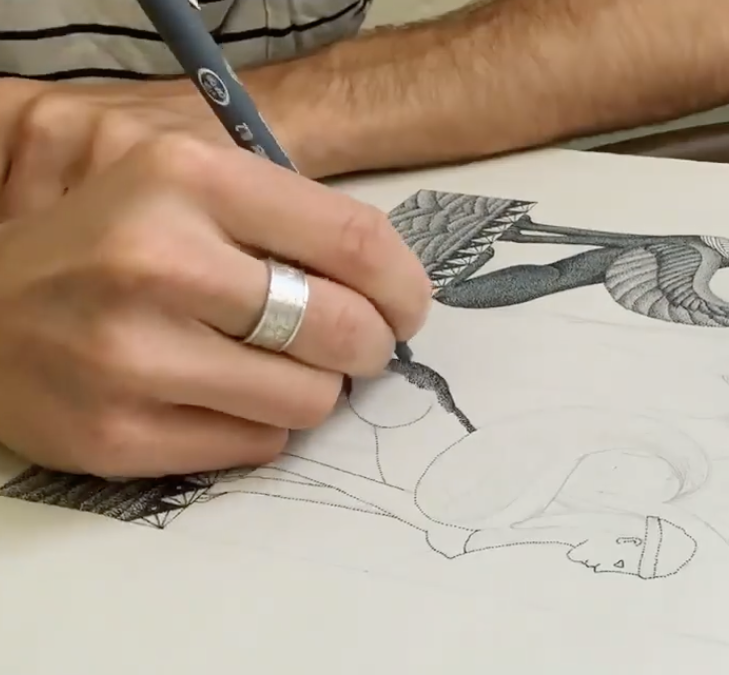
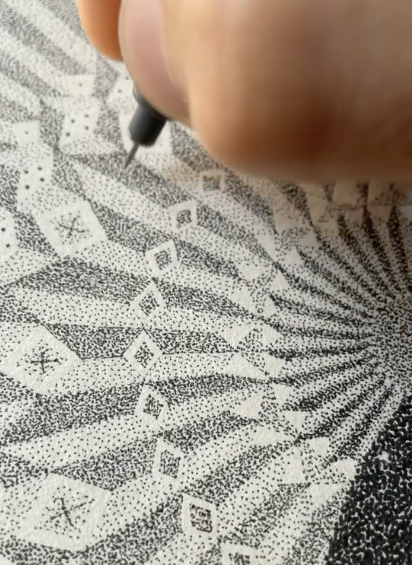
Close-up of a hand using a pen to create a detailed pointillism pattern with black dots forming geometric shapes and spirals on paper.

Made to be lived with

(07)

About the Practice


Sea by Land is the studio of artist and designer Mike Pinette.


Mike’s practice moves between murals, drawing and visual design, working across Spain, Europe and California.

Julia Pinette is a classically trained musician whose ear for rhythm and voice has shaped some of the studio’s thinking about sound, repetition and attention.

That exchange informs the work, but the drawings and murals remain visual art. They are made to be encountered, interpreted and lived beside.

If you have a wall or space in mind, tell me where it is, what happens there and what you want people to notice.

We’ll begin with the place itself.

Start a project